HIA Health: The Right Care, in the Right Place, at the Right Time

Wednesday, 24 Jun 2026

2,089,819 miles.

That’s the equivalent of circling the Earth 80 times, making nearly four round trips to the Moon, or driving a car non-stop for about 133 years.

It’s also the distance traveled last year by HIA Health’s care team, as they provided primary, palliative, and hospice care to individuals living with chronic and serious illnesses across the region. 

HIA, which was known for more than 40 years as Hospice of the Red River Valley, prides itself on providing patients with the right care, in the right place, at the right time. That means not just end-of-life support, which Annual Giving Officer Meghanne Widmer says the organization is best known for, but also palliative care, which focuses more on symptom- and pain-management and can be beneficial to anyone of any age who’s dealing with a chronic illness such as cancer, heart disease, or dementia. 

“While hospice is what fuels us — we are a hospice-based organization,” Widmer says, “We’re much more than just hospice services. And we serve a lot more than the Red River Valley.”

That’s why last year, following years of expansion across North Dakota and northwest Minnesota, Hospice of the Red River Valley officially became known as HIA (Hearts in Action) Health. It was both a cosmetic change — to bring its various services under a single umbrella and accurately reflect the organization’s geographic reach — as well as a practical one, says Widmer.

“There’s a real need to reach people in the many rural communities in our part of the country and get them the care that they otherwise wouldn’t have access to,” she says. “They need that good old doctor-and-the-bag coming to their door.”

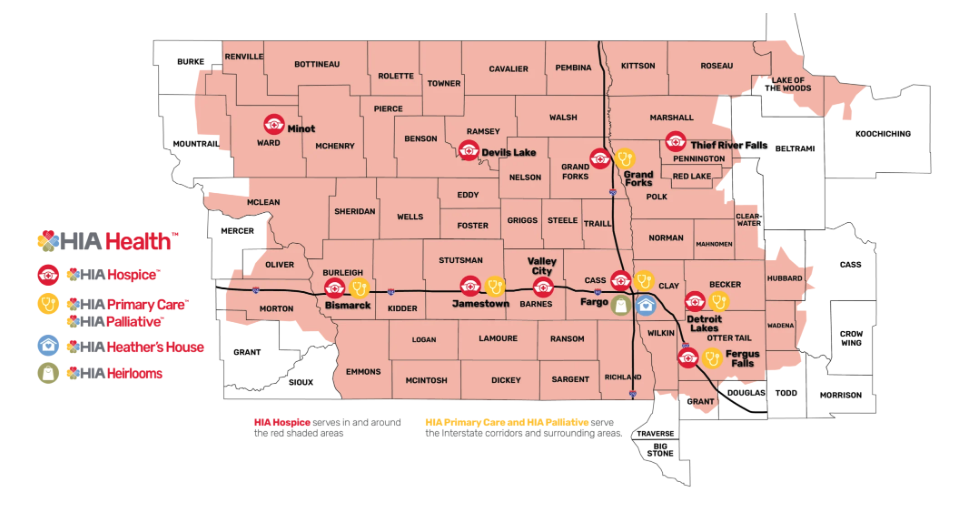
That’s exactly what HIA does each day, as its team of physicians, nurses, therapists, social workers, and grief specialists work in tandem to provide care and support to patients and families in 64 counties that span more than 63,000 square miles — patients like Bob Jernberg, an 83-year-old retired teacher and school administrator living in the Detroit Lakes area.

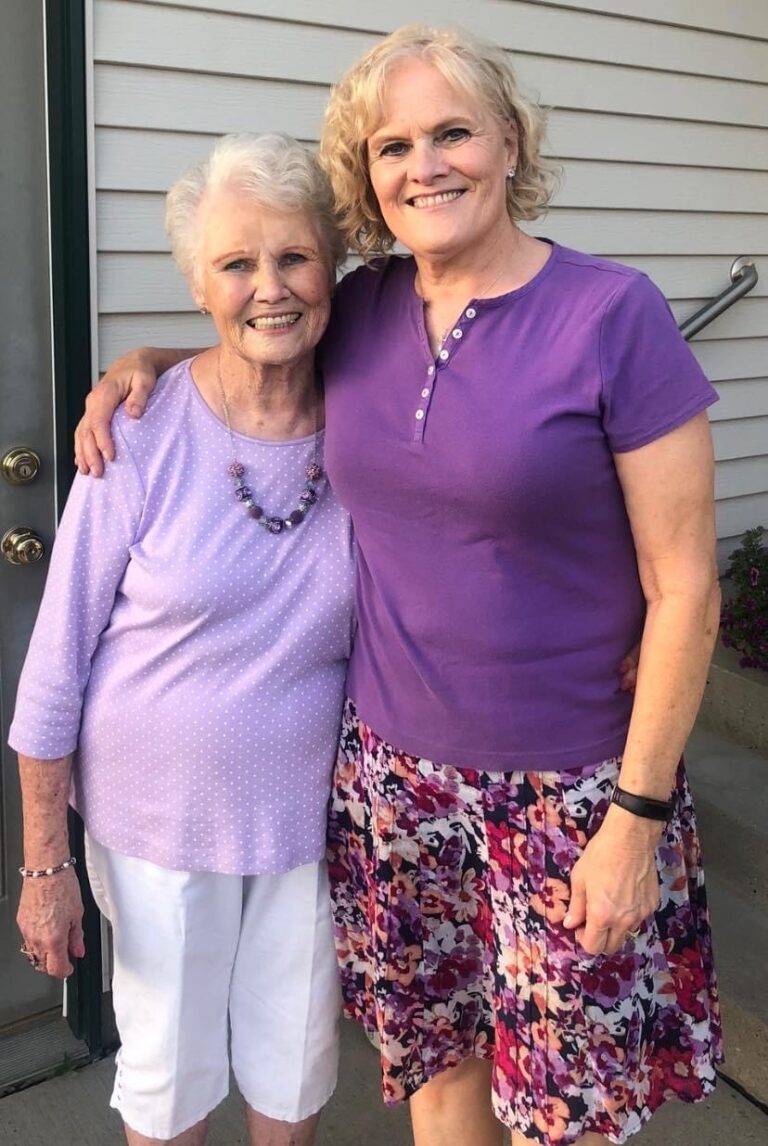
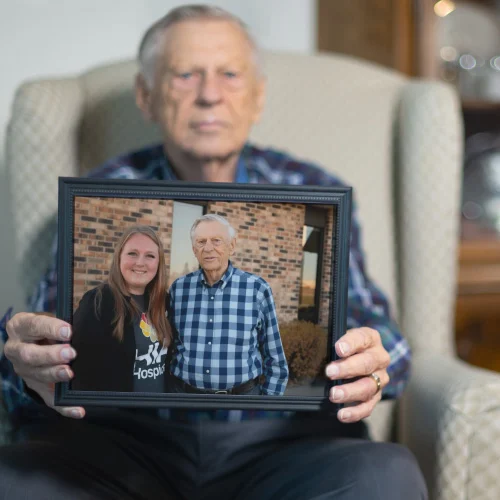
Jernberg has seen the benefits of HIA Health from every perspective, first as a sibling to a brother and sister-in-law who needed hospice care and later as an HIA volunteer. While those experiences alone were enough to endear the organization to him, when he suffered a massive heart attack last year and was given just five days to live, he suddenly saw HIA’s mission from an entirely new perspective: as a patient.

“The care was wonderful,” says Jernberg, who refused admittance to a nursing home in favor of hospice care. “Almost beyond what you’d expect. They really cared so much that they became part of my family.” 

For nearly three months, Jernberg’s care team slowly but surely helped him regain his health and strength. Each day, they helped him bathe, get dressed, and manage daily tasks, eventually getting him to a point where he was able to “graduate” from hospice services entirely. 

“Hospice is so much more than people think,” explains Jernberg, who recently returned to his regular HIA volunteer work. “The people will become just like family. You’ll receive care that is genuine. It’s not just a job. It’s something they’re doing to help you have the most comfortable time you can.”

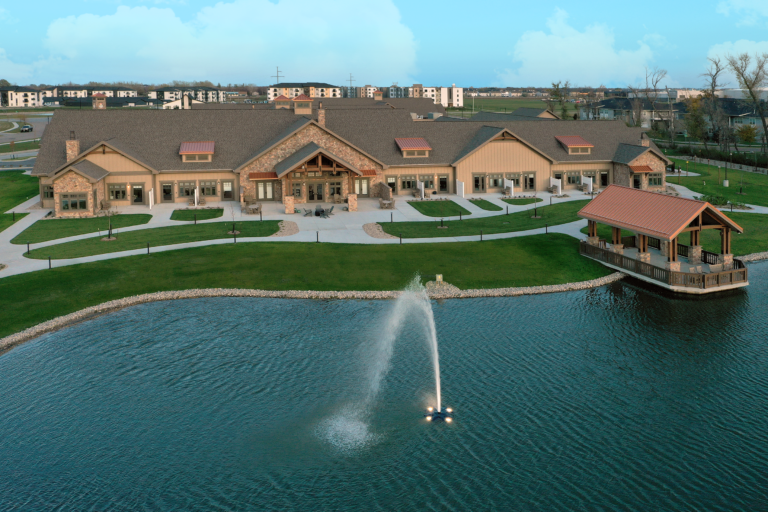
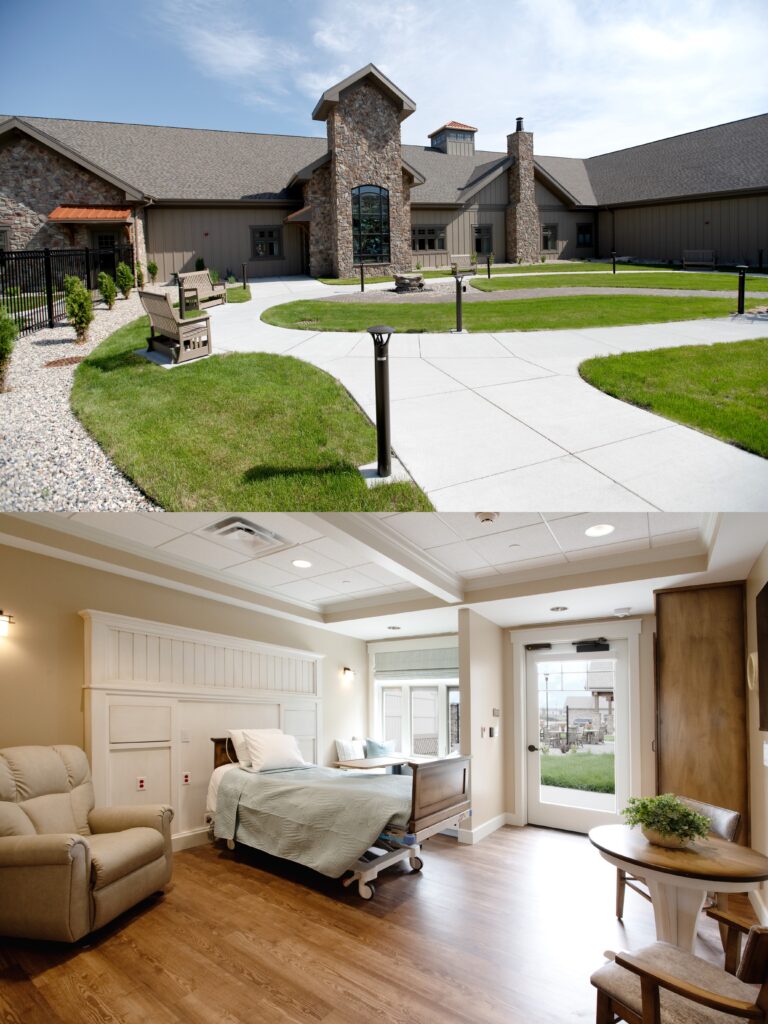
While the majority of the nearly 2,700 patients HIA Health served last year were outside their own walls, in 2025, a long-time dream of the organization’s was realized as they opened the 55,000-square-foot Heather’s House in South Fargo. It’s North Dakota’s first freestanding hospice house, which is a dedicated residential facility that provides 24/7 inpatient care in a homelike setting. 

“We were actually one of the last states to have a hospice house,” explains Widmer. “So it’s not a new concept, but it is new to the state and to the area. It’s a way to take care of patients who are on our hospice services but have caregivers who might need a break.”

For up to five days each month, HIA Hospice patients are able to come and stay in one of the 18 rooms at the home, which features a chapel, a theater room, and a scenic overlook with a pond. Heather’s House also offers numerous gathering spaces for families and friends to gather and honor and remember loved ones. 

It’s far preferable to the alternative, explains Widmer, which is typically a traditional healthcare facility.

“Otherwise, those Hospice patients who have symptoms and pain that can’t be managed in the home were having to be admitted to a hospital setting,” she says. “And this is just a more comfortable, inclusive way for their family members to be here, too.”

A lesser-known benefit that HIA Health provides is grief-and-berevement services, including one-on-one counseling, in-person and online support groups, and end-of-life education.

“When donors ask where their dollars are going, one of the main areas is grief-and-bereavement services, and so they’re probably my favorite thing to talk about,” Widmer says. “Those donations allow us to keep them free of charge and available not just to people who have utilized our services but actually to anyone in the community.”

HIA also hosts regular lunch-and-learns and continuing education courses for fellow healthcare professionals, organizations, and civic groups on topics ranging from “Being Mortal” to “Compassionate Care for Those Living with Dementia” to “Grief in the Workplace.”

Perhaps no regional charity has invested more time and resources into development and fundraising than HIA Health. With a team of seven full-time staff and two interns — including dedicated officers for philanthropy, annual giving, and planned giving — HIA takes seriously the mantra of “no money, no mission.”

Between hosting and/or partnering on more than 10 regional fundraising events throughout the year and maintaining a dedicated, standalone planned giving site for major donors, HIA Health uses its small army of development staff to cultivate donor relationships and raise dollars in support of its essential mission year-round.

One of their most successful initiatives is a program called Grateful Friends & Family, which allows people to pay it forward following their own hospice experience. To that end, people can either make a donation, volunteer with the organization, or just share their story.

“The idea behind it was to create a channel where the primary caregiver of the person who we served could thank our organization directly,” explains Widmer, adding that all the gifts are displayed on a digital wall in the lobby of Heather’s House. “Sometimes, people use it as a way to give memorials that they’ve received for their loved one, and sometimes it’s an extra gift made in conjunction with a gift they gave right after the passing. It’s just a way for someone to thank the team that supported their loved one.
When it comes to Giving Hearts Day, it’s all hands on deck.

“Giving Hearts Day is our largest single day of giving,” Widmer says, “And we plan for and think about it pretty much all year long — specifically, how we’re going to secure our match gifts for the next year. Especially coming off a large capital campaign like we did with Heather’s House, we had some bigger gifts to help with that. And so now we’re going to have to get creative to try to find some of those larger matches that we had in the past.

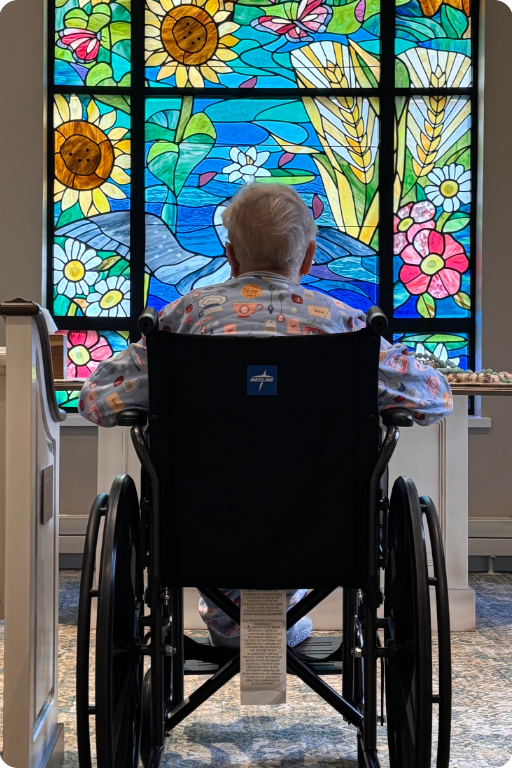
“As far as how our planning process works, we typically start with a theme. Our 2026 theme was ‘Illuminate Every Heart,’ which stemmed from this idea of: Heather’s House is meant to be full of light. The windows are very intentional, the ceilings have sky lights, and our chapel has a beautiful stained glass window that brings in colorful light. When someone passes, we turn on a stained glass light to make the organization aware to be a little more quiet and mindful during that time. And so we take that theme and really think about the stories we’ve gathered throughout the year that would best align with that, and then we work very closely with our marketing department to bring it to life.”

Widmer says they try to have their overall Giving Hearts Day plan finalized by the end of November — roughly two and a half months before GHD itself — as well as a calendar of activities, mailings, and posts that will run during the month-long Early Giving period.

Their investments and fundraising approach appear to be working, as the organization has raised more than $3.3 million total over the past three Giving Hearts Days. That’s $3.3 million more to improve caregiving, develop resources, and provide additional support to individuals and families going through the most vulnerable time of their lives.

And isn’t that what Giving Hearts Day is all about?

About HIA Health

HIA Health is the parent brand of HIA Hospice (formerly Hospice of the Red River Valley), HIA House Calls, HIA Heather’s House, and HIA Heirlooms. HIA Health fuses its strengths to honor individual goals, deliver seamless care, and create meaningful connections. Their mission is to provide comfort and care through life’s journey, and their vision is to enrich every person’s life by honoring their goals and priorities, and providing the right care, in the right place, at the right time. HIA’s priority is putting the needs of the patient and family first and being there when every moment matters.