When Jim Greene’s daughter suggested he check out Memory Cafe, he dug his heels in.
“He really didn’t want to come the first time,” says Maggie Ness, the executive director of the Fargo-based nonprofit that helps support individuals and caregivers navigating memory loss. “His wife (Kathyrn) is living through early-stage dementia, and they live in Grand Forks, so he was really grumbling about it.”
Jim eventually caved, and, after making the 80-mile trek to Fargo and attending his first session, he was hooked.
“He joined the men’s caregiver support group, and he really found his group of men who he could relate to and who could understand what they’re going through as a couple,” Ness says.
After that first visit, the Greenes began making the same trip each week — sometimes twice a week — just to be able to spend time around other families navigating the unique challenges of a memory-loss diagnosis.
As of this past spring, they moved to Fargo, and a big reason was to be closer to their newfound community.
“They were really experiencing the benefits, and so for them it just made sense to move and be closer to family and Memory Cafe,” Ness says. “This is something we see from people across the region. We have people who come from Detroit Lakes, Valley City, Jamestown, Wahpeton. It’s not just people from Fargo-Moorhead, and we try to share that. People come from all over, and they’re willing to travel because there isn’t another resource closer to them.
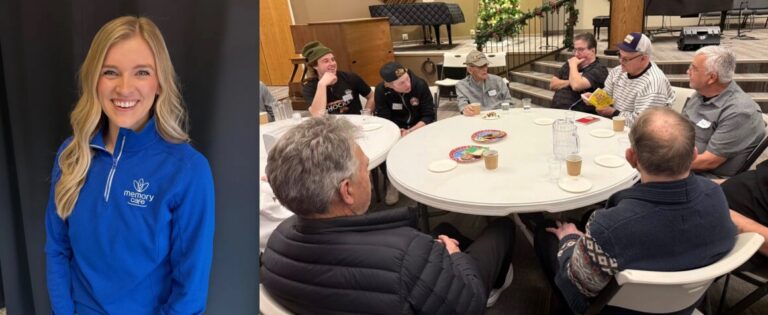
The Memory Cafe concept started nearly 30 years ago as the brainchild of a Dutch psychologist named Dr. Bere Miesen. Initially called Alzheimer’s Cafes, the idea was to create a welcoming, judgment-free space to both help combat the stigma around dementia and to reduce the isolation felt by both patients and their caregivers. The concept caught on quickly, and there are now thousands of locations worldwide, including Memory Cafe of the Red River Valley, which was founded in Fargo in 2017 by Deb Kaul and Beth Ustanko.
“Deb and Beth both had personal connections to dementia,” says Ness, who took over as executive director for Kaul in 2024. “They both recognized that there really wasn’t a place for people in our community to meet and gather and not feel alone. They also experienced where family and friends kind of steered away after a loved one was diagnosed with dementia. And it wasn’t because they were bad people; it was because they didn’t know how to continue to engage in conversations or how to show up.
“Deb wanted our community to have more education about this topic and get more community members aware. Reduce the stigma but also create that space where: Okay, maybe if we don’t have those friends and family showing up, we can make new friends. And we can meet other people who are also traveling this journey. And that’s the beauty of what we do is create spaces where people can connect.”
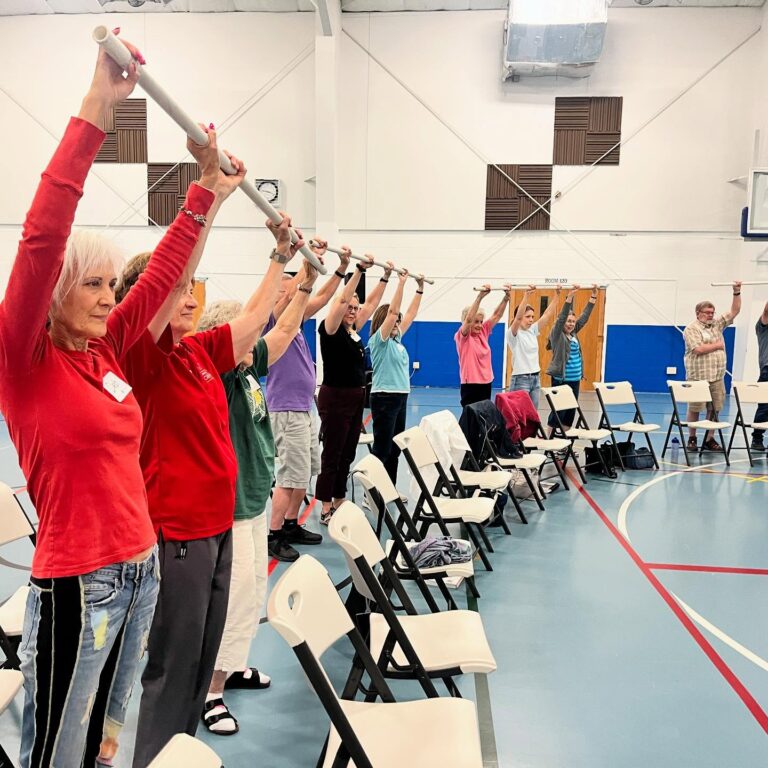
Memory Cafe hosts a variety of those spaces each week — for caregivers (both men and women), for those living with memory loss (both old and young), and for those who have lost a family member to dementia — and they’ve added a number of other programs and services over the past decade. One of their most popular offerings is a large-group exercise class led by a local CrossFit instructor.
“I think we all know that exercise is good for our mental health,” says Ness. “But there’s also lots of research that shows the benefits of how, when we work our cardiovascular system, we’re also benefitting our brain. So that’s why we incorporate exercise. We want people to do their exercise at Memory Cafe but then also do more at home. One of our ladies who attends the class recently made the comment after one of the sessions: ‘My brain just feels better after exercising here.’ She could feel it.”
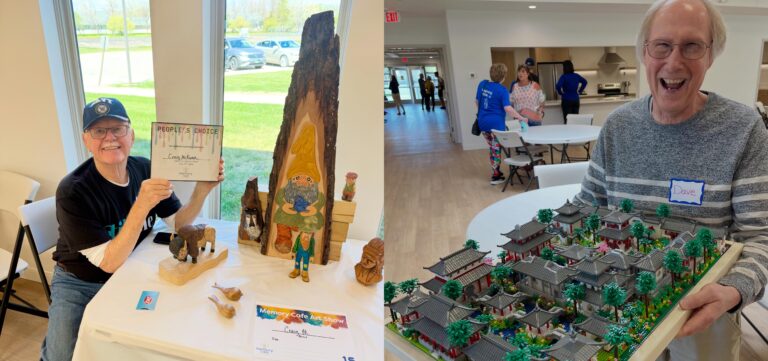
Another area of focus has been creating more opportunities for Memory Cafe-ers to engage in the creative arts.
“We’ve always known that the arts are important for brain health, but Deb has recently been diving in, and there’s new research that’s been coming out (about just how important),” explains Ness, who says Memory Cafe has partnered with Plains Art Museum and a number of other local partners to bring more creative-arts opportunities to their clients. “You can calm your mind when you’re engaging in the arts. I think especially for people living with these changes, it’s sometimes hard to do that. So when you can slow down and just be mindful in the moment and just work on something artistic, you feel really good about that.
“Especially when your communication is changing and the brain struggles, maybe you can’t get the words out, but you might be able to do that through art.”
While Memory Cafe used to operate its programming at seven separate locations throughout the Fargo-Moorhead metro, that all changed in fall 2025 when an anonymous donor gifted them a South Fargo building that would serve as the organization’s permanent location.
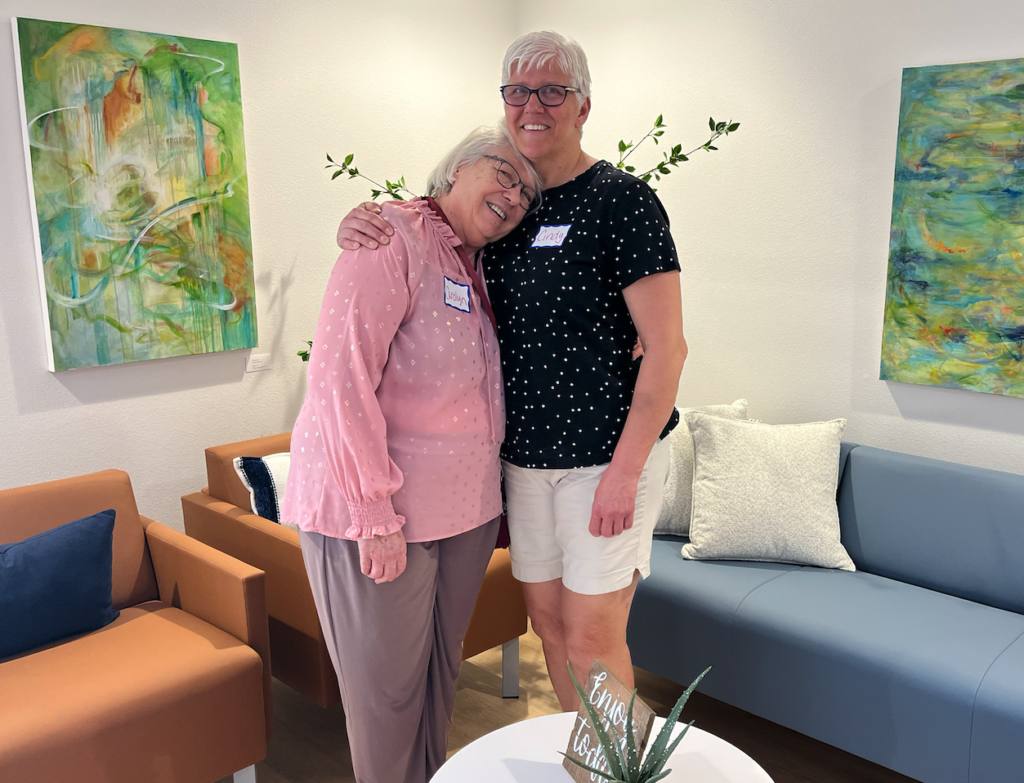
“The word we’ve used is ‘transformational,’” says Ness. “ It truly transforms what we’re doing in so many ways. For our people navigating cognitive changes, to be able to host them in one location — they don’t have to worry about where they’re going for a program. They just come to Memory Cafe, and they know that we’re going to be here. They’re going to know where the bathroom is, where to get coffee, where to find the paint supplies and puzzles.
“We hear from them that it’s their home away from home and that it’s a place they feel safe, seen, and understood. And we’re just really grateful for that.”
Ness says that not having to focus so much on logistics has also transformed what Memory Cafe’s staff of four has been able to accomplish.
“We would go from downtown to our storage unit to (a church) or wherever we were hosting that day,” Ness says. “And (this new space) just gives us so much more time to better support and enhance the programs we’re offering. And to grow. One of our goals is to offer more education to professionals.”
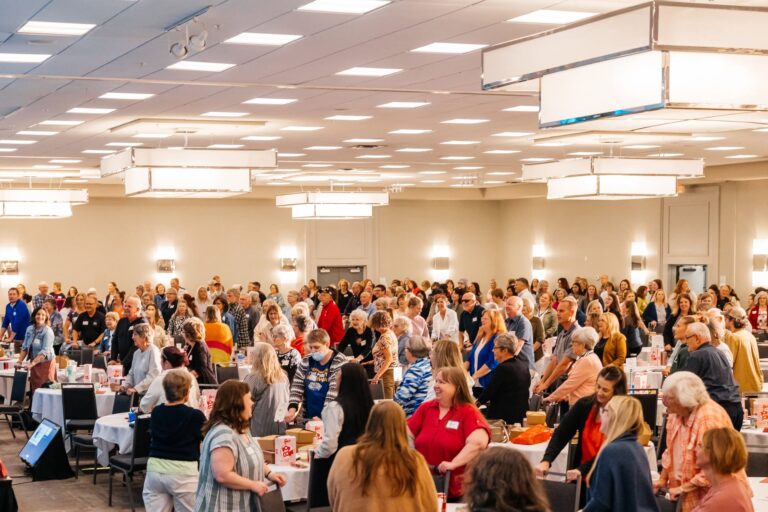
In addition to bi-monthly education sessions that are led by both regional and national experts in the memory-loss field, Memory Cafe also hosts a major conference each June called Redefining Memory Loss. This year’s conference was headlined by Dr. Vijay Ramanan, a Mayo Clinic physician renowned for his clinical and research work on neurodegenerative diseases.
Conference topics run the gamut, from cognitive and emotional well-being to balance and stability to family coaching. It’s become an annual opportunity for those who share a commitment to improving dementia care to gather, support one another, and clarify many of the misperceptions about memory-loss, says Ness.
“People tend to think it’s an intuitive thing to know how to care for someone living with dementia,” she says. “Spouses and children often think: ‘I’ve known this person for X number of years. I should know how to care for them with dementia now, too.’ But it’s not an intuitive thing. It takes organizations like the Mayo Clinic, like Memory Cafe, like local providers who can teach people about what’s really happening in the brain.
“There are different types of dementia, and there are different symptoms that can come along with the different types. And it takes other caregivers to walk alongside you and help you understand how to best support your loved one. We try to remind people that it’s okay if you don’t know. I think we put a lot of pressure on ourselves, thinking that we should know. Like ‘Oh my gosh, I shouldn’t have said that.’ But sometimes you just have to give yourself grace.”
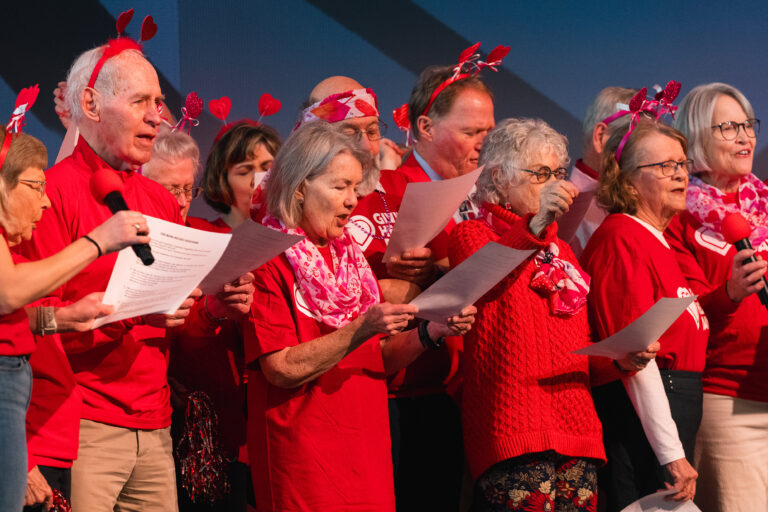
As Memory Cafe has grown its reach and impact over the past nine years, they’ve seen their Giving Hearts Day results grow accordingly. In 2019, Memory Cafe’s first year participating in GHD, the organization raised a little more than $15,000. In 2026, they raised nearly $357,000. That’s an increase of nearly 2,300 percent in just seven years.
While Ness gives a lot of the credit to Memory Cafe’s highly engaged board and volunteer network, she says there are other factors that have drawn people to their cause.
“The dementia numbers in our community are high, and lots of people have been touched by this diagnosis, unfortunately,” says Ness. “I think most donors have been personally impacted, and they care about those affected by dementia. Giving Hearts Day creates awareness, and I think through awareness, people are then invited to support. Deb Kaul has done an incredible job with donor relationships and telling them about her vision for Memory Cafe and her vision for people impacted by dementia in our community. And I think that invitation to support those navigating this — there’s nothing else in our community like Memory Cafe, and we couldn’t function if we did not have the community support. There’s no funding support for what we do.”
As Memory Cafe prepares to complete its capital campaign by the end of the year, Ness says they’re looking ahead with excitement and optimism to the next phase of memory-loss care in the FM community.
“We plan to enhance what we’re currently doing but offer more respite care,” she says. “That’s a significant need in our community. We would be a place where someone could bring a loved one living with dementia and a caregiver could find that respite and time away. And we could engage in beautiful and meaningful activities — offering more education, more consultation services, and providing more one-on-one time with specialists such as occupational and speech therapists.”
And they’re doing it all with one thing always top of mind: Those who are forgetting should not be forgotten.
About Memory Cafe of the Red River Valley
Memory Cafe is a welcoming, stigma-free community for people living with memory loss and their care partners. They provide opportunities for connection, education, creativity, and joy — all in an environment where everyone feels seen, valued, and supported. Memory Cafe serves individuals living with memory loss caused by a variety of medical conditions including strokes, Parkinson’s disease, Mild Cognitive Impairment (MCI), Alzheimer’s disease and related dementias. They are committed to reminding their participants that they are valued, significant members of the local community.